
Rideshare Insurance Gaps in 2026: What Happens When the App Is On but No Ride Is Accepted?
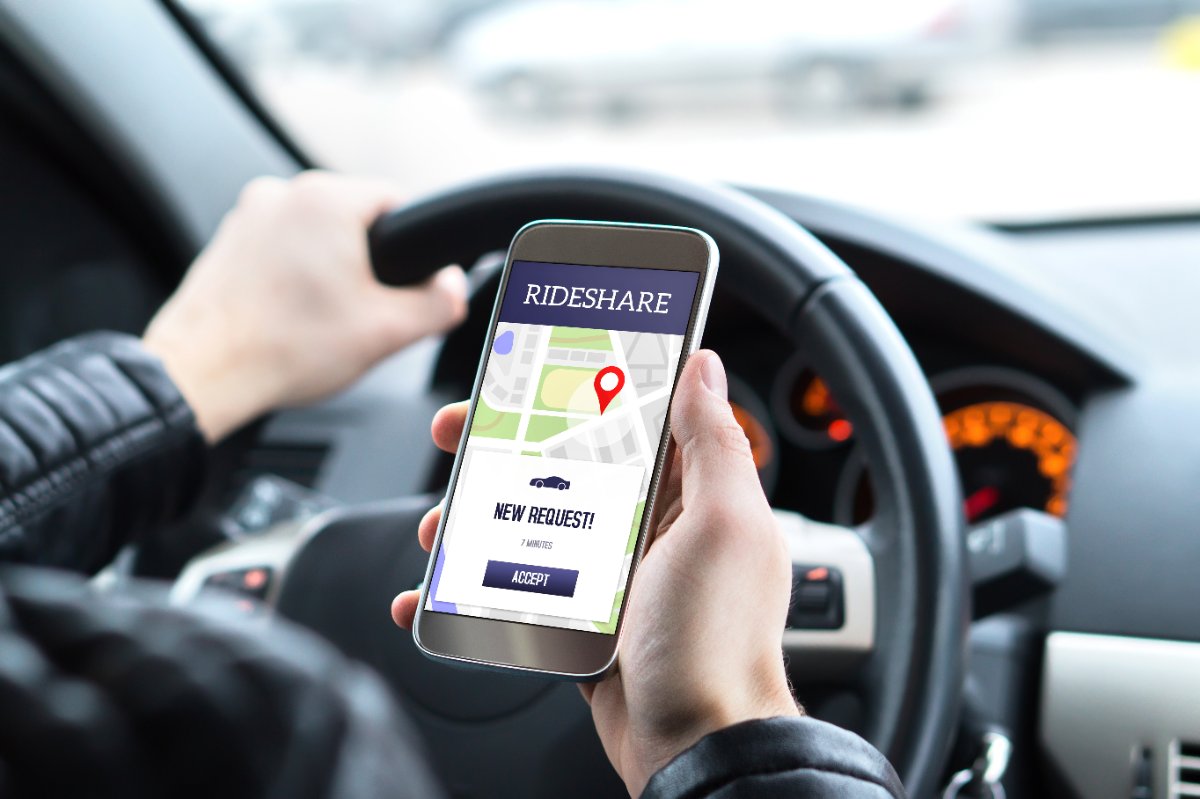 Although Uber, Lyft, and other rideshare companies offer liability insurance to pay for accident victims, coverage is complicated. There are three different periods, the lowest being period 1, when the driver is waiting for a ride request. Unfortunately, many problems occur at this stage due to an insurance coverage gap.
However, understanding how rideshare coverage works can help you prepare a stronger claim. Retaining legal representation early can also make a difference. If a rideshare insurance company denied your claim, call the Oklahoma City law firm of Cunningham & Mears.
Period 1 coverage
Period 1 refers to the stage in which the rideshare app is on, and the driver is waiting for a ride request. Both Uber and Lyft offer limited third-party (meaning, for someone besides the driver) insurance coverage for accidents caused by their drivers.
For example, if an accident occurs during Uber’s insurance period 1, the company’s third-party liability insurer covers injuries and damages in these amounts:
- Bodily injury: $50,000 per person and $100,000 per accident
- Property damage: $25,000 per accident
Lyft’s coverage is the same, and it is sometimes called 50/100/25 coverage. Neither company offers collision or comprehensive coverage. Depending on the state, Uber may also provide coverage for the driver and their passengers, including:
- Bodily injury caused by a hit-and-run driver or an uninsured or underinsured driver
- In some states, Uber may also provide personal injury protection, a form of no-fault coverage that pays for medical bills and lost wages
- Medical payments coverage (also known as MedPay), which is also no-fault
Period 2 and period 3 coverage
The insurance coverage gets progressively stronger in period 2 (which means the rideshare driver has accepted a ride request and is en route to the passenger) and period 3 (when the driver is transporting a passenger in their vehicle). Both Uber and Lyft’s insurance providers will pay:
- Up to $1 million: This is for property damage and injuries to passengers and third parties where the rideshare driver is at fault.
- Cost to repair the driver’s car up to the actual cash value: This comes with a $2,500 deductible and requires that the driver have collision and comprehensive coverage on their personal policy.
- Uber and Lyft may also maintain the above-mentioned additional coverages (e.g., MedPay), depending on the state.
Understanding the rideshare insurance gap
Periods 2 and 3 offer the strongest protection for victims of accidents involving rideshare drivers. Most of the disputes occur during period 1, when the rideshare driver has the app on and is waiting for a ride request. This is where the insurance gap becomes a problem.
Most drivers’ insurance policies do not cover accidents that occur while the driver is engaged in commercial activity, like working for a rideshare company. At the same time, Uber and Lyft only provide limited coverage for third parties. In many accidents, coverage may still be disputed or limited.
Ultimately, the driver is stuck between having limited or disputed insurance coverage for their own losses and having the lowest tier (50/100/25) of third-party coverage from Uber and Lyft. But medical bills alone can easily exceed these limits, creating significant out-of-pocket exposure for all involved.
Real-world examples of the insurance gap
It helps to consider some real-life examples of how the insurance gap can negatively impact an accident victim and leave them with financial uncertainty. Here are just a few scenarios:
Scenario 1: Fender-bender while waiting for a ride request
An Uber driver is parked somewhere and waiting for someone to request a ride. Another driver backs into them and causes damage to the rear bumper. The at-fault driver has no insurance. This is a period 1 situation, and the Uber app-on accident coverage would probably look like:
- Uber does not provide collision coverage
- The other driver is uninsured, so he has no insurance to pay
- The Uber driver’s own insurer will likely deny coverage since he was involved in commercial activity at the time
Scenario 2: Rear-end collision
A Lyft driver is waiting for a ride request when an accident occurs: another motorist rear-ends the Lyft driver. In a best-case scenario, the at-fault driver’s insurance will pay for the Lyft driver’s losses, including damage done to the vehicle and bodily injury.
Depending on the applicable policy and whether UM coverage was waived, Lyft may dispute or deny payment. They cover injuries and property damage done to other individuals, and there may be no uninsured or underinsured coverage either.
Scenario 3: Solo accident
Assume that an Uber driver decides to go to a busier spot in hopes of picking up rides. On the way there, they hit a patch of ice and crashed. This is a solo accident, so there are no at-fault drivers. The insurance coverage may break down this way:
- Potentially no coverage for the rideshare driver’s injuries or property damage, absent applicable rideshare or commercial coverage
- No uninsured or underinsured motorist coverage since there is no other driver
- The driver’s personal insurance policy will likely deny coverage
Winning even limited coverage is not easy
The insurance gap is bad enough, but even winning the limited 50/100/25 coverage is no guarantee. Some drivers have endorsements on their personal insurance policies that allow coverage during commercial activity. But claiming from your own insurance can still be difficult.
At the end of the day, all insurance companies are for-profit businesses. So even if your accident perfectly fits a coverage scenario in any of the periods, you may be fighting for a claim payout. Insurers will use a number of tactics to underpay or deny valid claims.
Options for winning the compensation you need
Although these insurance scenarios can be discouraging, you do have options. With the help of a rideshare accident attorney, they may include:
- Pursuing compensation against third-party drivers outside of insurance
- A product defect claim if a vehicle involved in the crash had a safety problem
- Dram shop liability claims if the at-fault driver was drunk and a bar served them too much alcohol
- Claims against construction contractors and government entities in cases where poor road conditions caused the accident, subject to the Oklahoma Governmental Tort Claims Act’s notice requirements and immunities
Whether these alternatives are available to you will depend on the unique facts of your accident. What makes an important difference in your case is how early you retain legal representation. Hiring an attorney early can help:
- Explore all insurance options for all drivers and parties involved
- Calculate a fair value for your current and reasonably estimated future losses
- Take quick action with the insurance companies, long before any claim deadlines apply
- Consider other litigation options, like those mentioned above, if insurance denies your claim
If you were involved in an Uber or Lyft accident, don’t wait for the insurance companies to do the right thing. Reach out to Cunningham & Mears. We can schedule a consultation to discuss your legal rights today.
Marcus P. Mears is a founding partner of Cunningham & Mears. Mr. Mears is committed to helping Oklahoma’s injured victims in the areas of injury law and insurance litigation. Mr. Mears was selected to the Million Dollar Advocates Forum for his work as lead counsel in multiple seven figure injury cases. Learn More