
Tesla Autopilot & Uber Drivers: Who Is Liable If Self-Driving Features Cause a Crash?
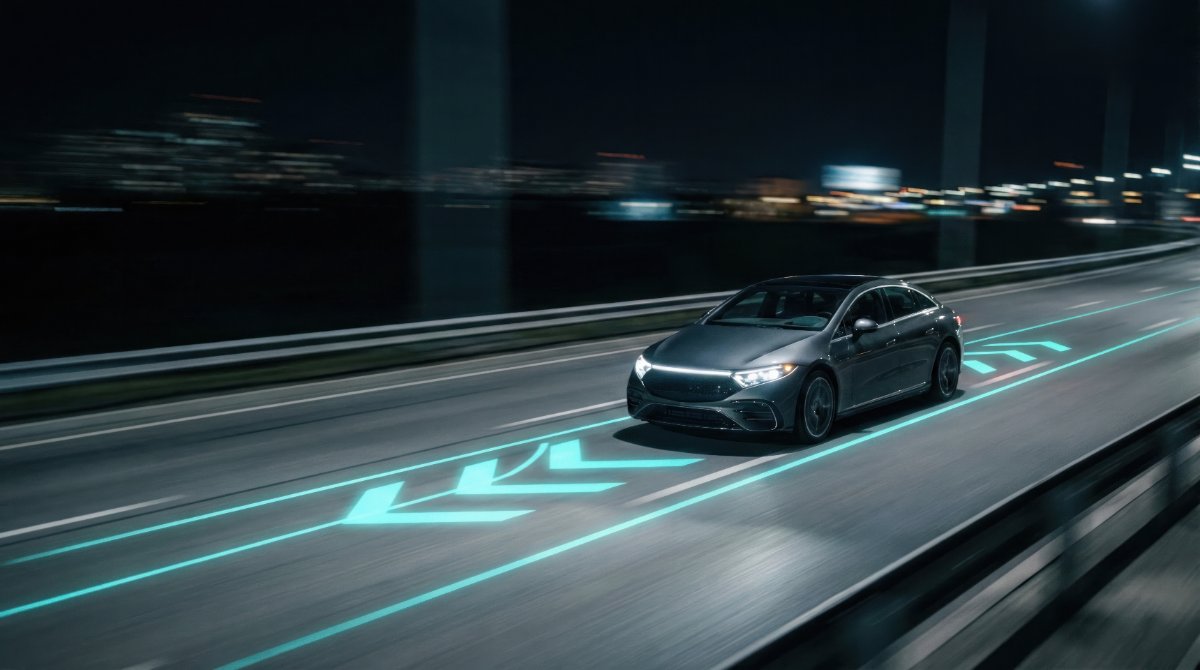 Crashes involving Uber drivers using Tesla vehicles equipped with Autopilot features can raise difficult liability questions. Victims often want to know who can be held responsible for their medical bills and other losses. The answer will depend on the specific facts of their case.
If you were involved in a crash, you need to understand the details of Tesla and Uber accident liability. The Oklahoma City personal injury attorneys of Cunningham & Mears are here to explain your legal options.
Who is responsible when self-driving vehicles crash?
Tesla vehicles equipped with advanced driver-assistance features are already on America’s roads. But they have not completely eliminated the human element. Tesla, for example, cautions drivers to stay alert, keep their hands on the steering wheel, and always maintain control of the vehicle.
Whenever there is a crash involving an Uber driver and a self-driving vehicle, liability will point back to either human error or a problem with the software. These are some potential scenarios:
- The driver did something wrong: The driver may have failed to keep the vehicle’s software updated or manually disabled a safety feature that could have prevented an accident.
- Another person did something wrong: For example, a pedestrian may have suddenly dashed out in front of the vehicle. Even with the best technology, a crash may have been unavoidable.
- There was a problem with the software: The software that controls self-driving vehicles could have been corrupted or malfunctioned in some way, preventing it from operating correctly.
- A manufacturer did something wrong: Another possible explanation is that built-in features that work alongside the software, like a vehicle sensor, were installed incorrectly.
These and other factors make Uber and Tesla Autopilot crashes more complex than other accidents. In fact, it is conceivable that more than one of the above could have played a part in the wreck. For instance, software may have malfunctioned, but the backup driver may have been distracted and failed to intervene.
If more than one party is responsible for an accident, they can all share liability. Oklahoma law allows liability to be apportioned to each party based on their respective role in the crash.
Product liability and negligence
Depending on who is involved in an accident involving self-driving features, the victim could advance either a product liability or negligence argument (or both) to seek compensation for medical bills, lost income, and other damages.
Product liability
Companies can be held strictly liable when a defective, unreasonably dangerous product causes harm. The victim can file a product liability lawsuit to hold them responsible. A product liability claim involving a Tesla may allege one of the following:
- Design defect: Even if the product design is safe, it can be dangerous if manufactured or assembled improperly.
- Manufacturing defect: Even if a product is safely designed, it can be dangerous if manufactured or assembled improperly.
- Lack of instructions or warnings: An absence of suitable instructions or warnings to avoid foreseeable dangers can also lead to a lawsuit.
Negligence
A negligence claim is likely if human error in some way contributed to the accident. For example, an Uber fleet operator may have exercised insufficient oversight of vehicles. Another example is if a driver disabled the self-driving vehicle’s safety features.
Regardless of the facts, to make a negligence claim in Oklahoma, the victim will have to prove four elements of a personal injury lawsuit:
- Duty of care: This means that an at-fault party had a legal obligation to act safely and in a manner to avoid causing foreseeable harm.
- Breach: A breach of the duty of care occurs when someone either acts or fails to act in a way that amounts to negligence.
- Causation: The breach must directly cause the victim’s injuries, a more complicated element if there are several at-fault parties involved.
- Damages: Finally, the victim has the responsibility of proving the nature and amount of their damages, such as medical bills, lost wages, and pain and suffering.
Preserving evidence after a self-driving vehicle accident
Evidence preservation is always an essential step after a car crash, but it is more challenging when a self-driving vehicle is involved. These are the various types of evidence you may need to prove your case:
Vehicle data
Self-driving vehicles produce large amounts of data that may be relevant. Some examples are sensor data, inputs such as speed and braking, AI decision logs, and GPS data. This data can be quickly overwritten, but a lawyer may be able to use tools to preserve it, such as:
- Spoliation letters: These are demand letters instructing the recipient (e.g., Uber) to preserve certain electronic and digital data.
- Restraining orders: A temporary restraining order can direct a party to take specific measures to avoid data overwriting or deletion.
Physical evidence
Like any car crash, there will be physical evidence such as:
- Skid marks
- Damage to the vehicles
- The relative positions of the vehicles
- Debris
Police may document the above in their accident report, but you should try to take pictures and record videos of all such evidence before the accident scene is cleaned up.
Witness statements
Eyewitness statements are always helpful because they provide neutral, third-party corroboration of basic facts of the case. If anyone observed your accident, get their names and contact information early. A lawyer can obtain a detailed statement from them before they forget key facts.
Event data recorders (EDRs or “black boxes”)
Self-driving vehicles may have EDRs that record important metrics about the vehicle. A lawyer must be careful not only to preserve this evidence but also to protect the chain of custody, since forensic examiners may extract this data. It has to be preserved in an unaltered format.
Cloud data
It’s not unusual for self-driving vehicles to generate substantial amounts of data stored in cloud servers. Fleet operator communications, monitoring logs, and software updates could be part of this. A forensic expert may need to extract and then interpret all of this information.
Our commitment to self-driving accident victims
If you were in an accident involving one of Tesla’s self-driving vehicles, quick legal action will be critical to protecting your legal rights and safeguarding evidence. When you hire our Oklahoma City personal injury attorneys to handle your lawsuit, we get to work by:
- Investigating the crash and obtaining initial evidence
- Using discovery to request additional proof of liability
- Strategically employing spoliation letters and court orders to preserve sensitive electronic and digital data
- Consulting expert witnesses who can explain digital evidence and strengthen your claim
- Determining a fair dollar value for your past and estimated future damages
- Assisting with the complexities of rideshare accident insurance claims
- Negotiating with the insurance companies and lawyers representing the at-fault parties to attempt to settle your case
- Taking your case to trial if a fair settlement cannot be reached
You have rights if a self-driving feature caused your accident, and our lawyers are here to help you exercise them. Contact Cunningham & Mears to begin your case today.
Marcus P. Mears is a founding partner of Cunningham & Mears. Mr. Mears is committed to helping Oklahoma’s injured victims in the areas of injury law and insurance litigation. Mr. Mears was selected to the Million Dollar Advocates Forum for his work as lead counsel in multiple seven figure injury cases. Learn More